PUCK IT!
Coffee x Wellness Service Ecosystem
ROLE
Design Strategist | Research & Insight
DURATION
10 Weeks
TEAM
Team of 5
FOCUS
Coffee & Wellness · Health-Conscious Gen Z · Service Ecosystem Innovation
SKILLS
Industry & Competitive Analysis
Human-Centered Research
Insight Translation
Strategic Framing
Business Model Development
Innovation Strategy
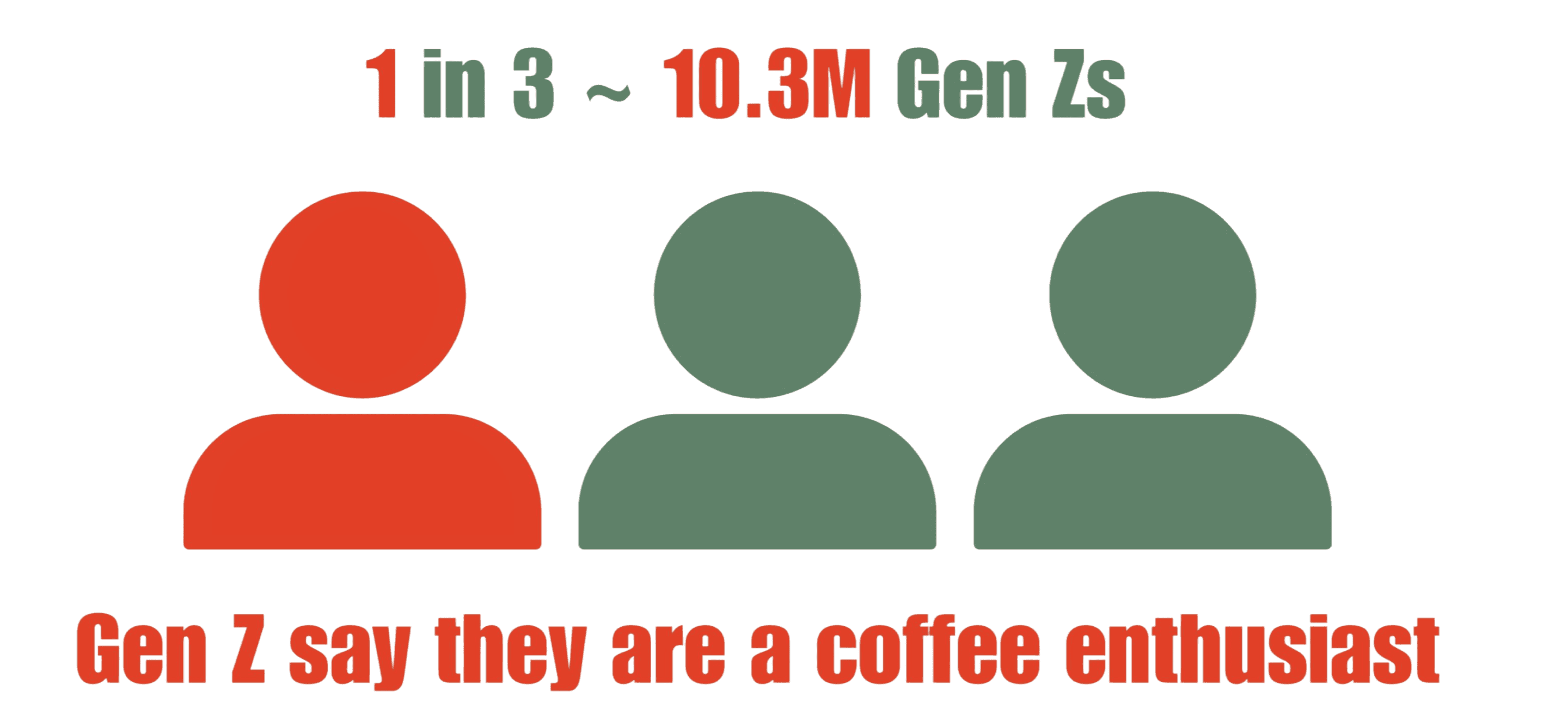
Over a 10-week design innovation cycle, our team explored the evolving intersection between coffee culture and the health & wellness movement. Shifting Gen Z perceptions around caffeine, transparency, and long-term health revealed a tension in the market, coffee is loved, but increasingly questioned.
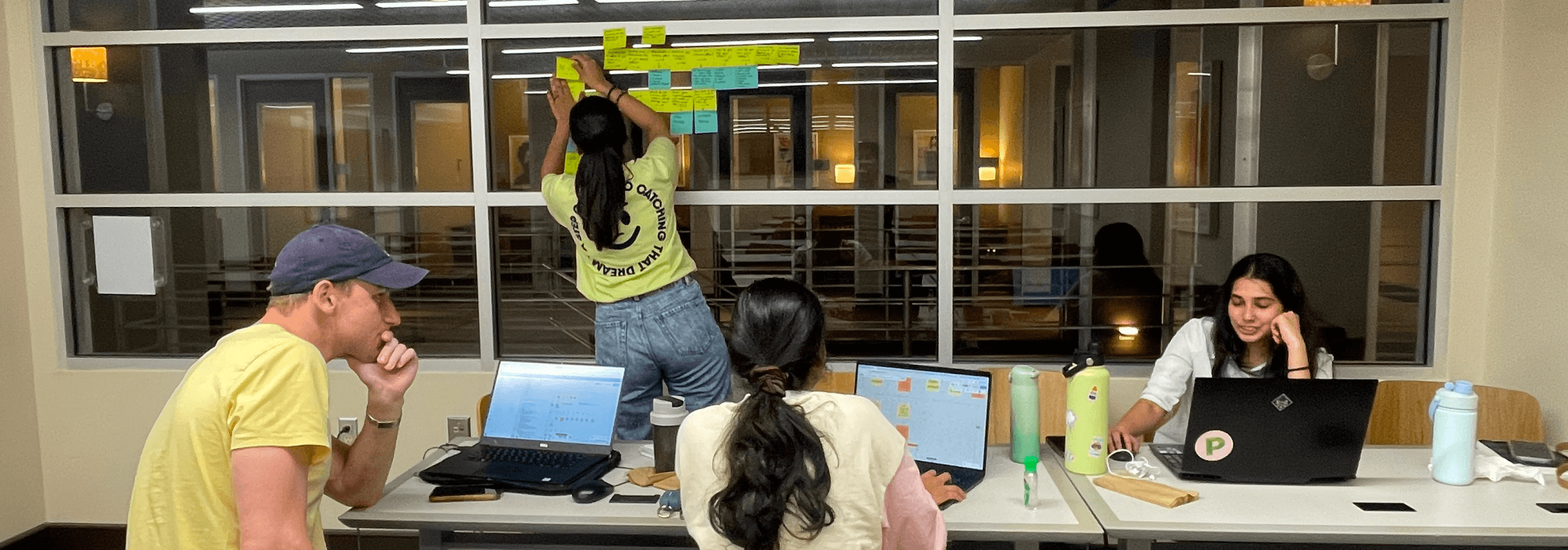
Through structured industry filtering, layered competitive analysis, and extensive primary research, 145 survey responses and 12 in-depth interviews, we identified a perception gap that became the foundation of our strategic exploration. We ultimately pivoted from product innovation toward a wellness-driven service ecosystem.
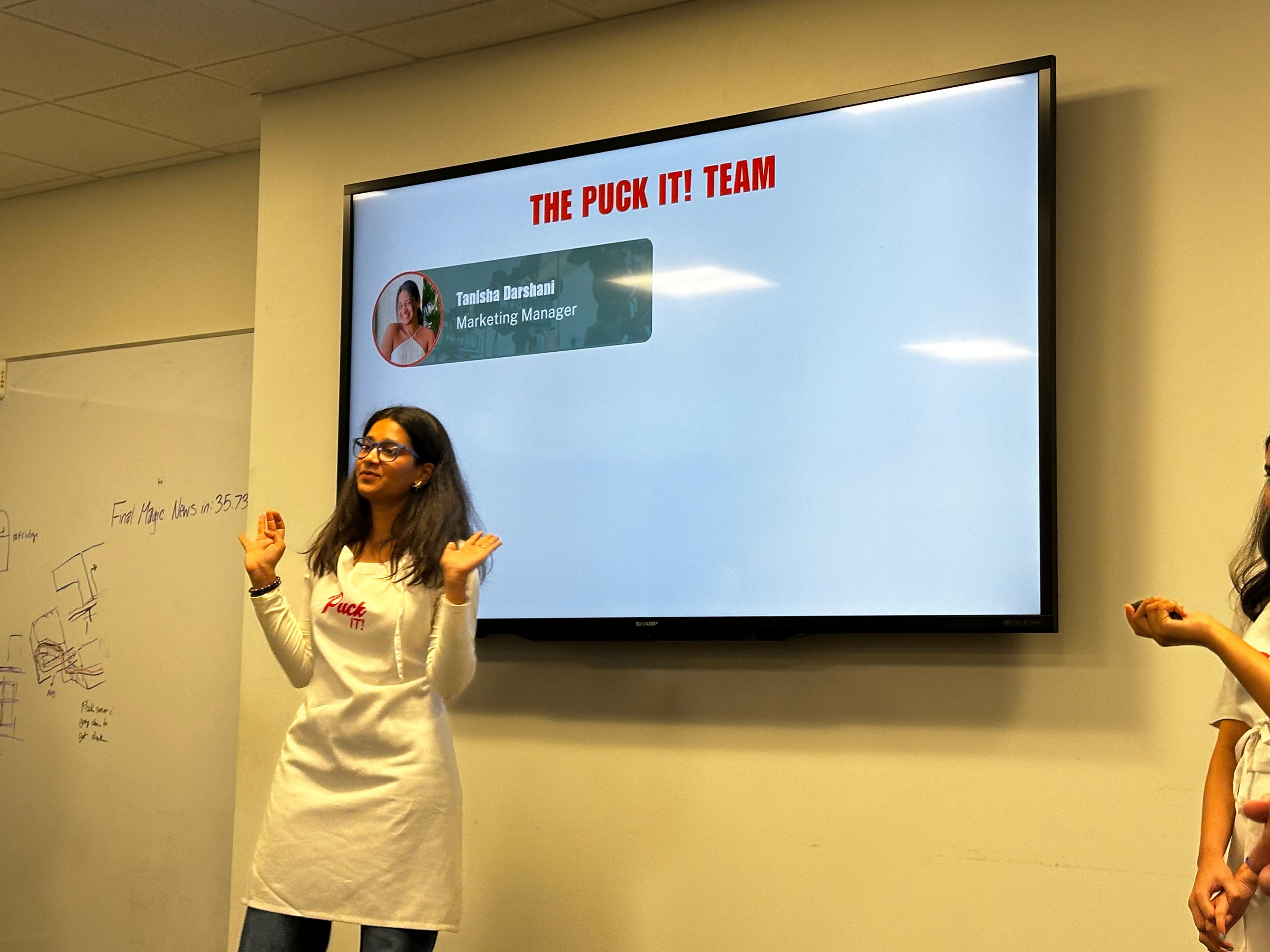
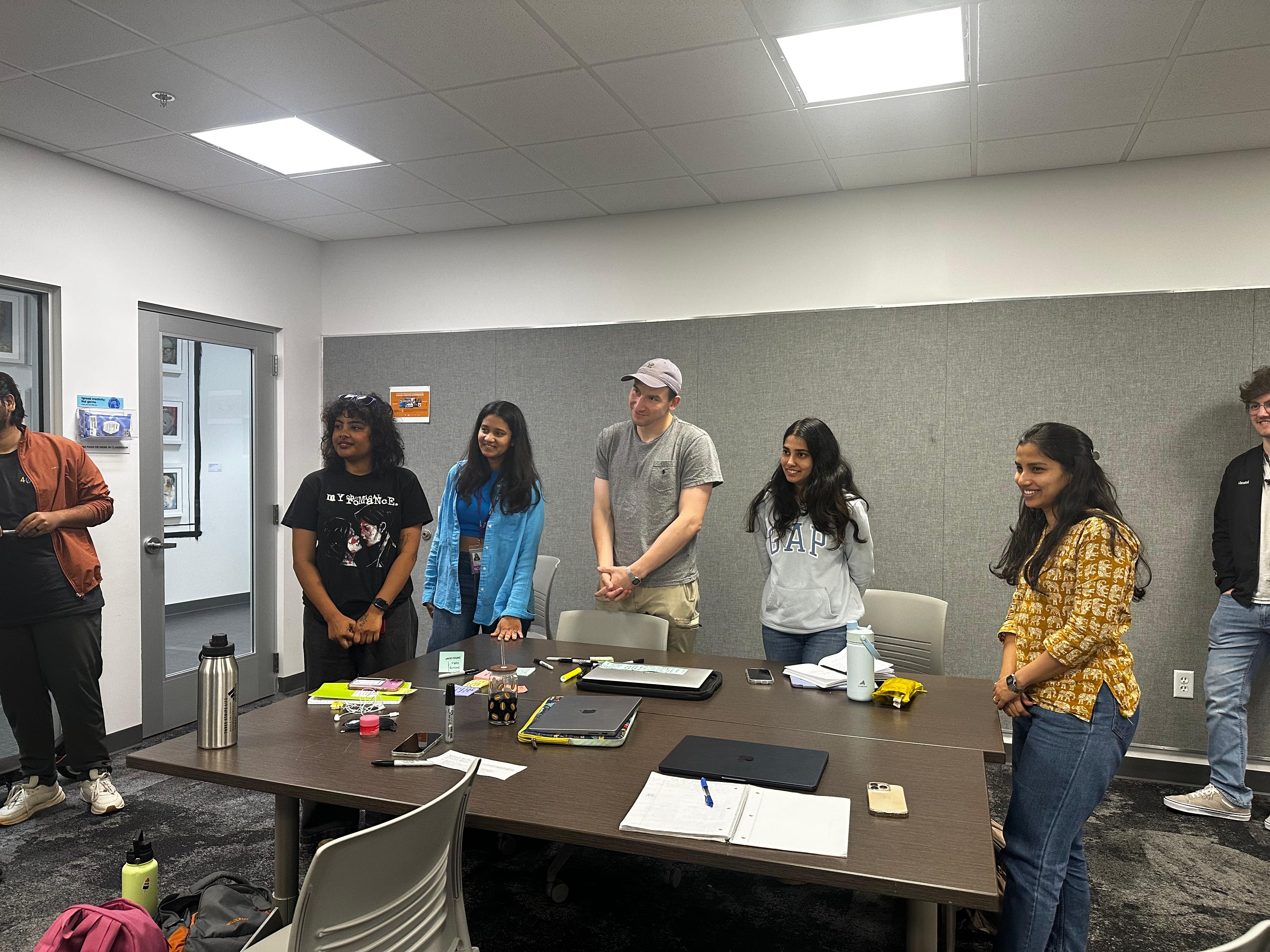
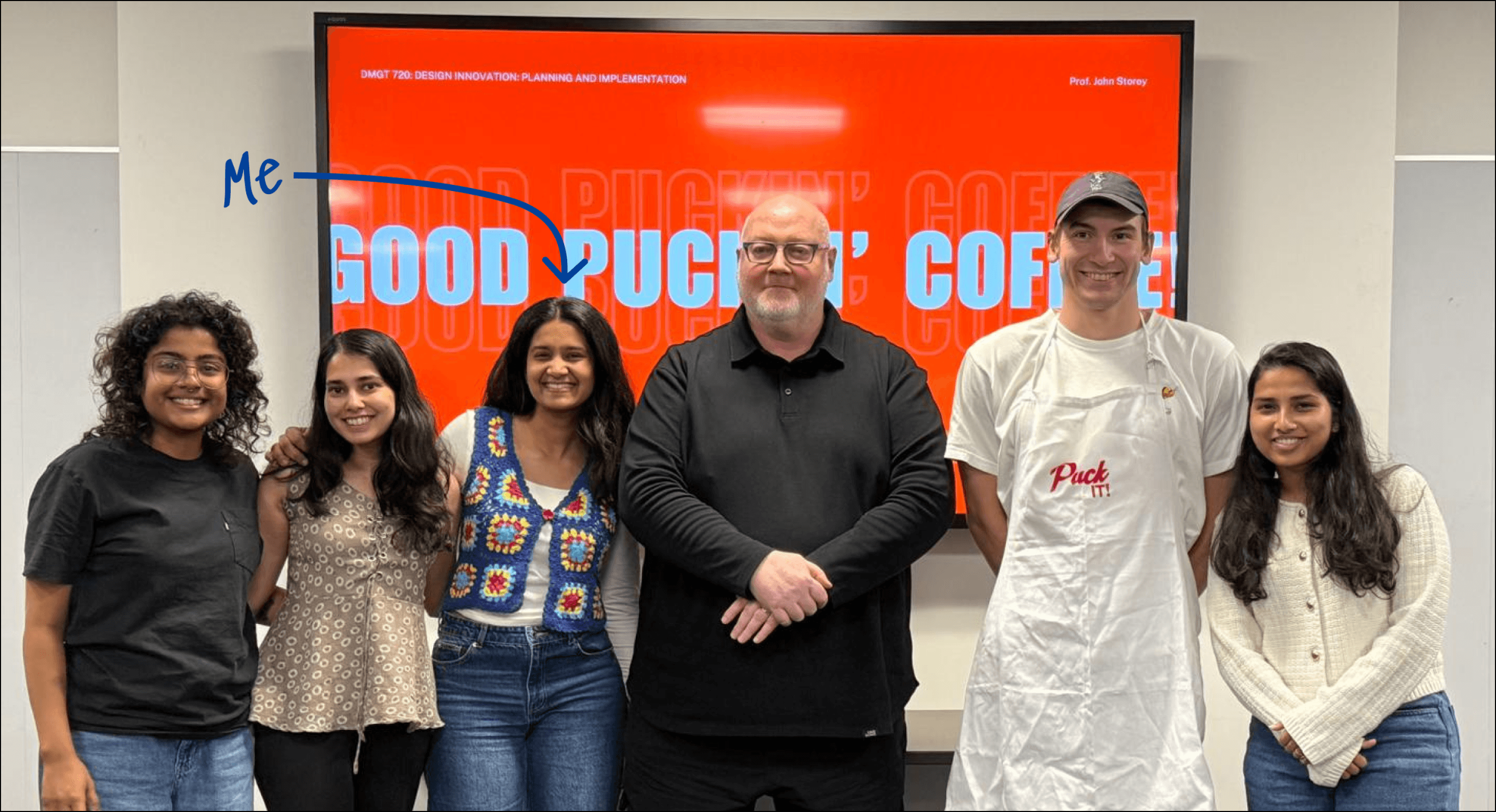
Meet the team
The problem
Industry selection
Choosing the right space - defensibly.
Before narrowing toward coffee, we evaluated a broad set of industries through strategic filters to ensure we chose a space with both innovation potential and strategic relevance. Coffee emerged as the strongest directional opportunity due to its cultural depth, habitual behaviour patterns, and the perception gap between enjoyment and health concerns.
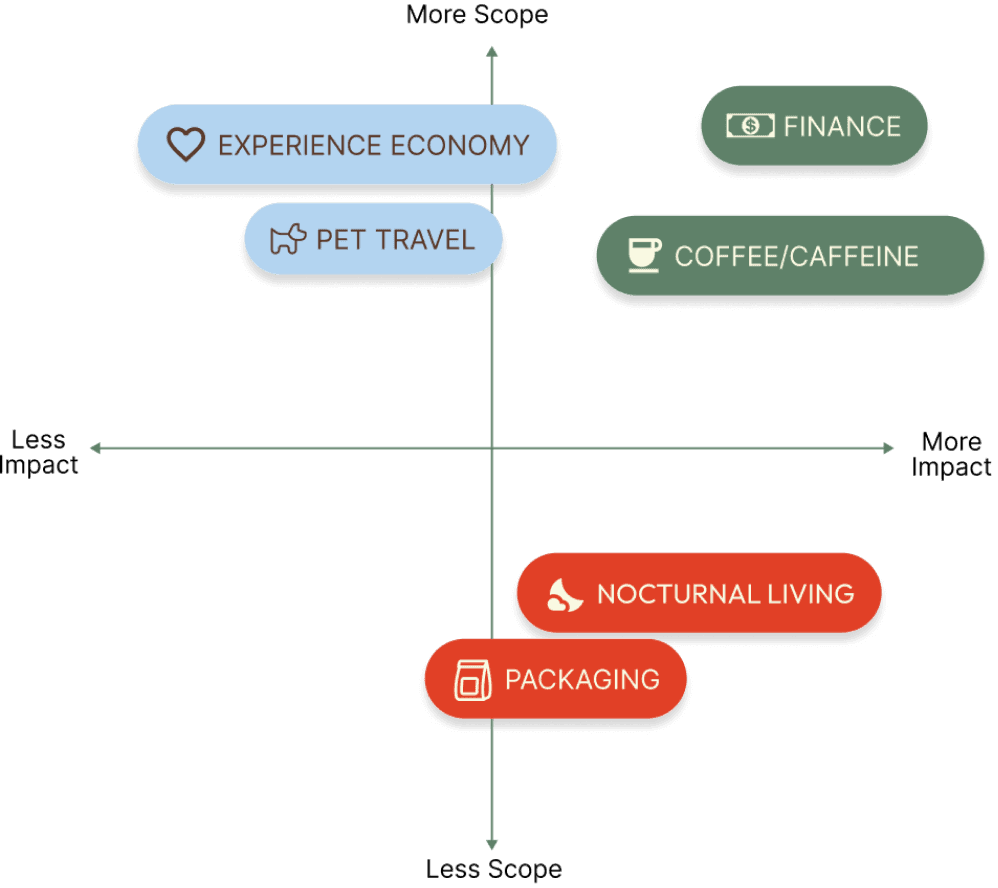
2x2 Impact vs Scope
STEPIC Analysis
Industry SWOT
Porter's Five Forces
Differentiation Framing
Good/Different Matrix
niche selection
Finding the right corner.
Within coffee, we explored four potential directions. Only one landed in the Good + Different quadrant.
Sustainable coffee products
Instant coffee innovations
B2B coffee experiences
Health & Wellness positioning
Research strategy
Let the patterns emerge from data.
Rather than assuming who our users might be, we built a research architecture that let behaviours and motivations surface organically across both quantitative and qualitative methods.
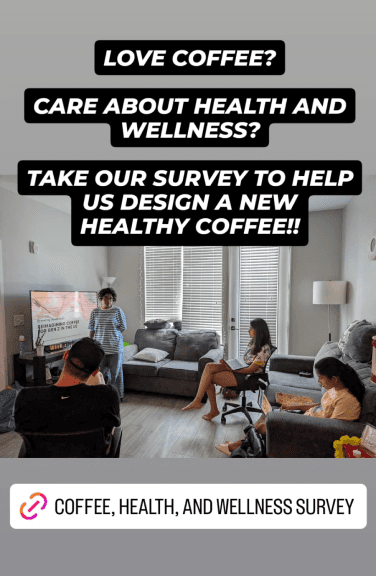
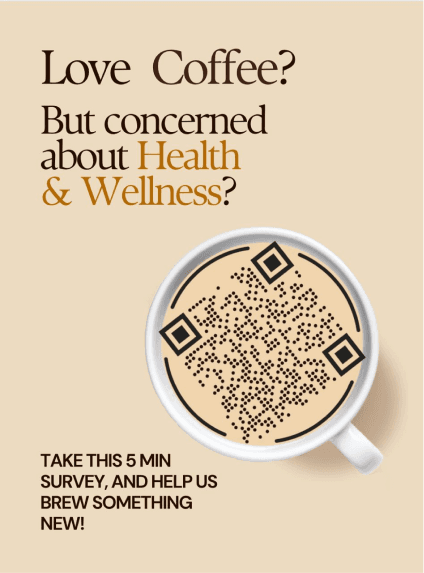
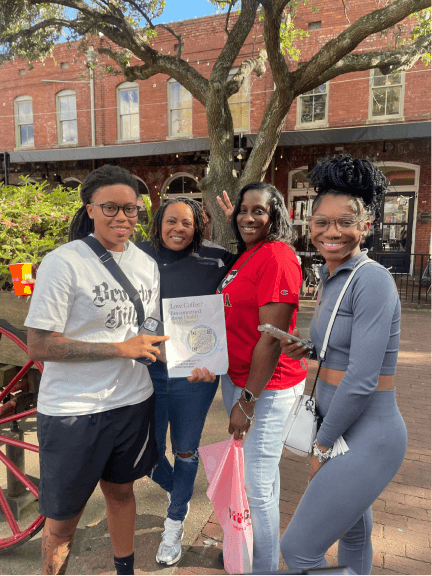
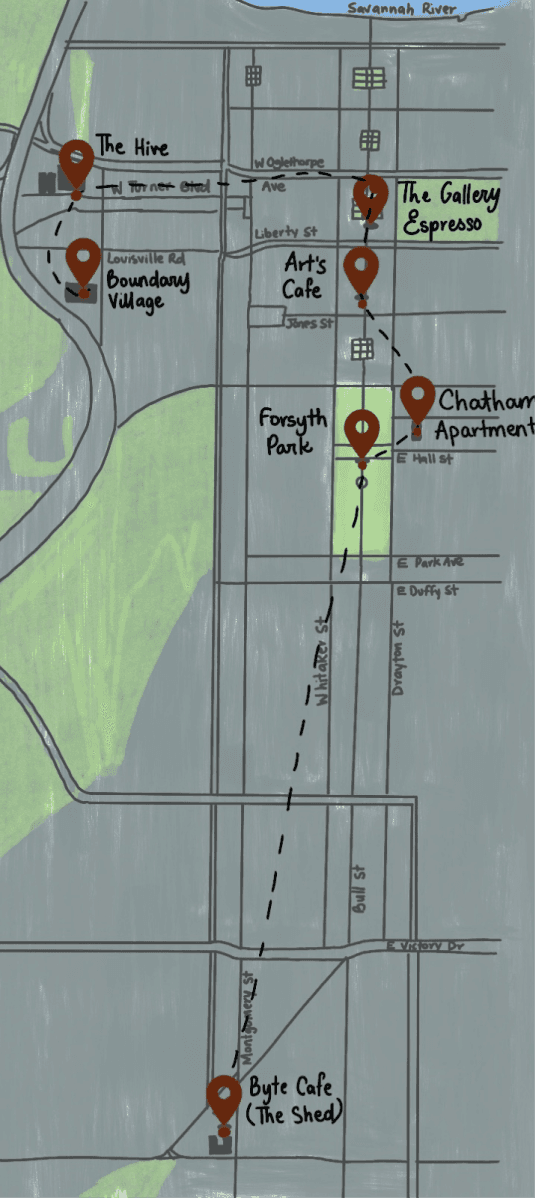
145-response dynamic branching survey + 12 in-depth user interviews to uncover motivations, hesitations, and lived experiences.
Affinity mapping and theme extraction, cross-referencing qualitative and quantitative data to identify recurring insight territories.
Jobs-to-be-Done analysis and Empathy Mapping to build a holistic picture of how and why Gen Z consumes coffee.
Behavioral archetypes
Not demographics. Behaviors.
Within coffee, we explored four potential directions. Only one landed in the Good + Different quadrant.
The Routineers

Disciplined, ritual-oriented.
Coffee acts as structured fuel and anchors their day.
The Palette Pirates
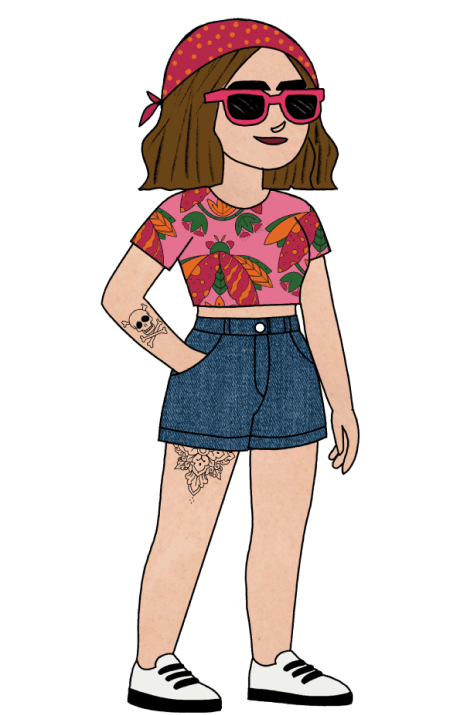
Exploratory and socially influenced.
Coffee is a site of experience and identity expression.
The Inner-getics

Wellness-driven and health conscious.
They seek balance, transparency, and mindful consumption.
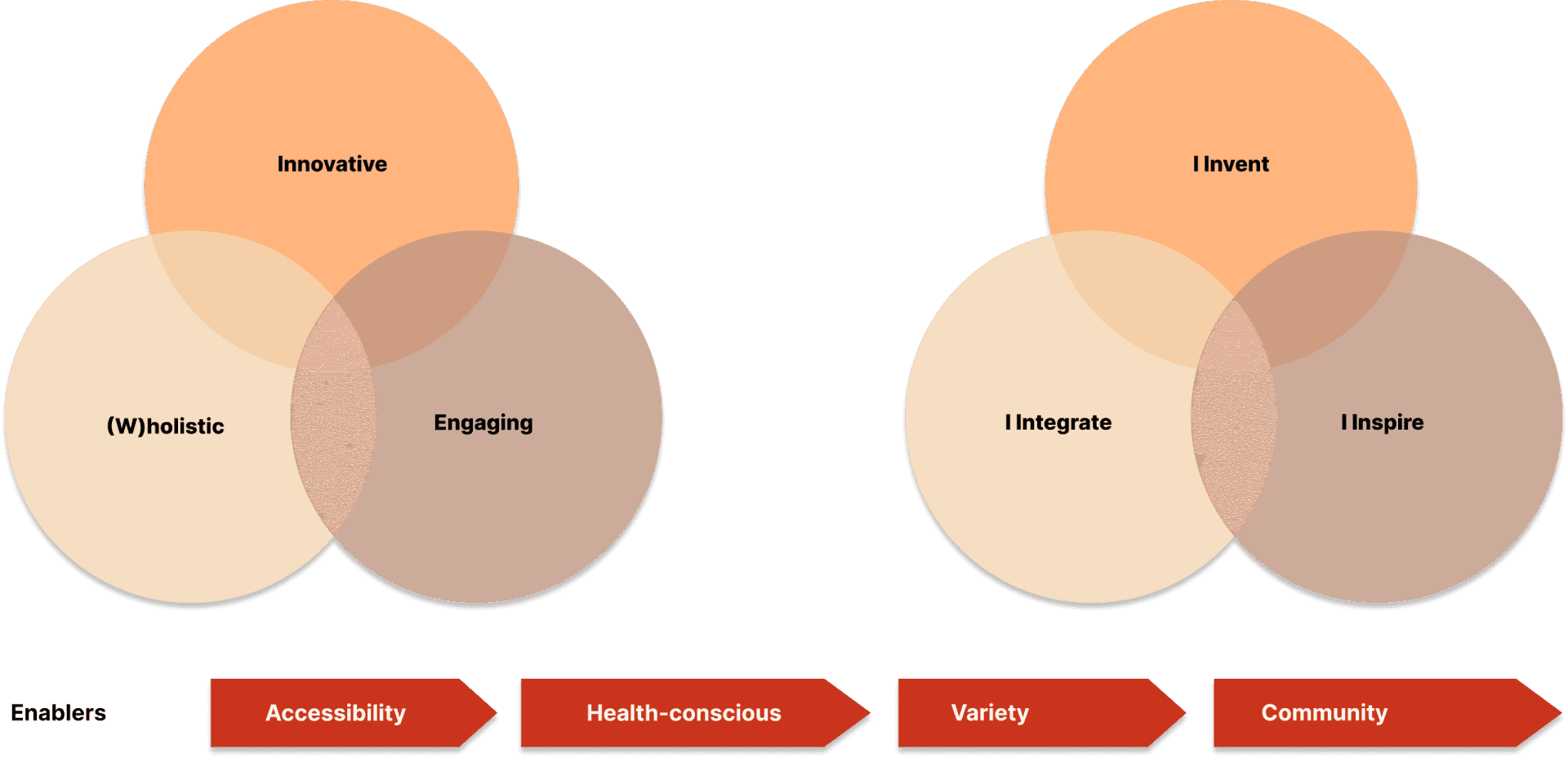
The strategic pivot
From product thinking to ecosystem design.
Health coffee products are heavily saturated, consumer loyalty is strong, and ingredient enhancement offered limited differentiation. The service space, a hospitality model guiding users through healthier coffee choices was under-developed. That became our opportunity.
Where we started
Product innovation
Enhancing coffee through added health benefits and functional ingredients, a saturated space with strong incumbent loyalty.
Where research led us
Wellness-driven service ecosystem
A platform curating healthier coffee experiences reframing competitiveness from "better coffee product" to "better coffee experience and navigation."
the concept
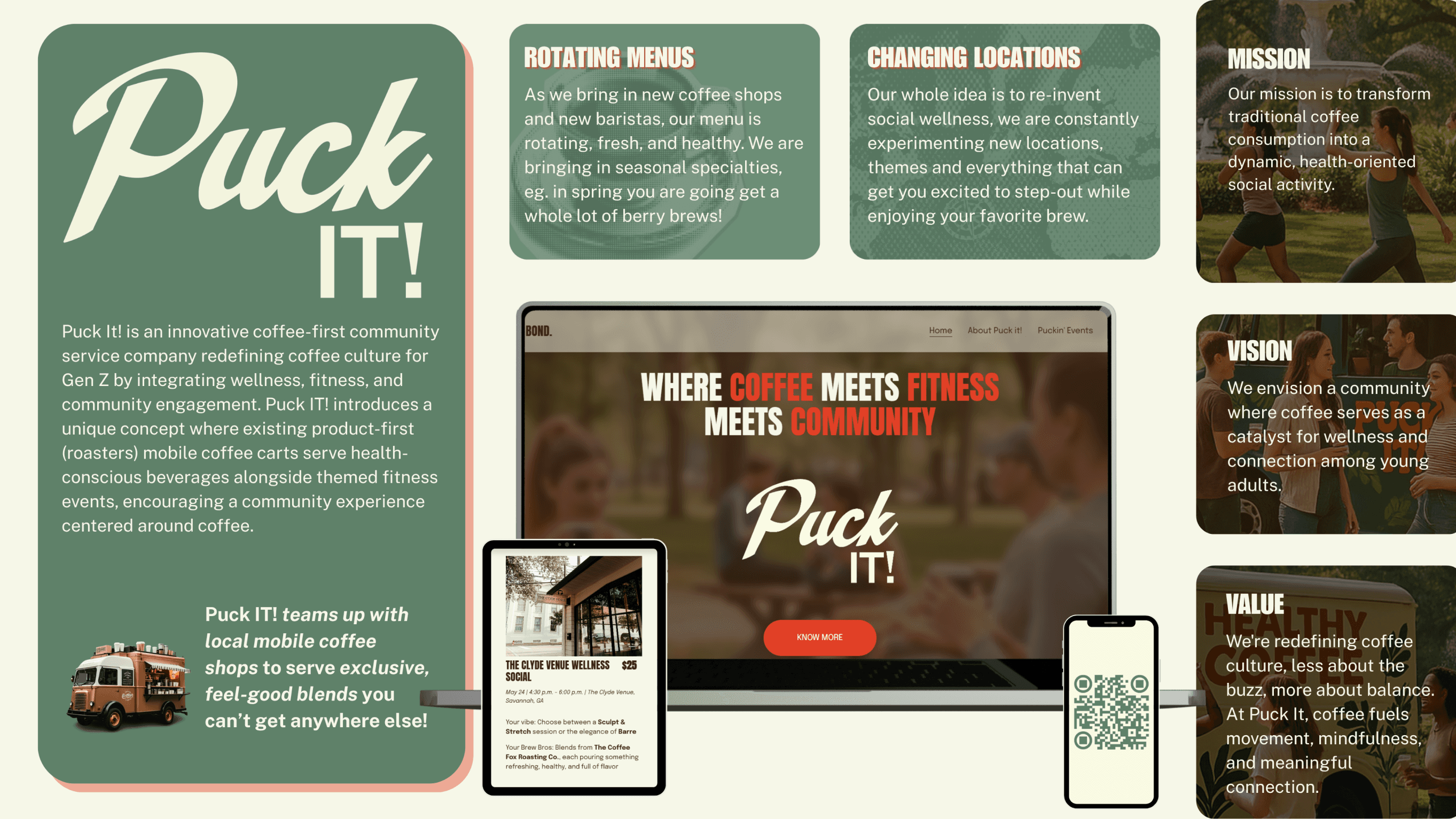
Puck It!
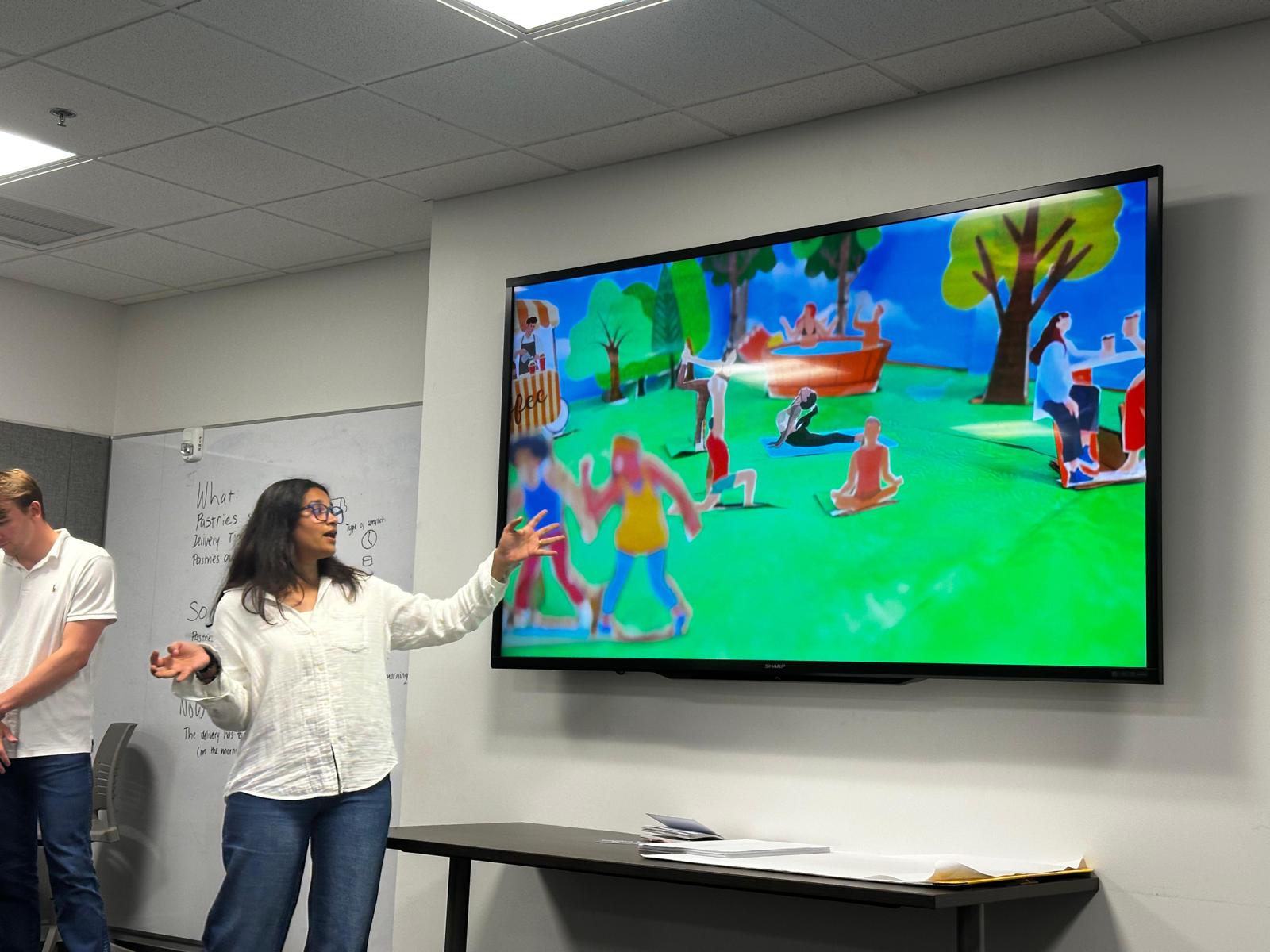
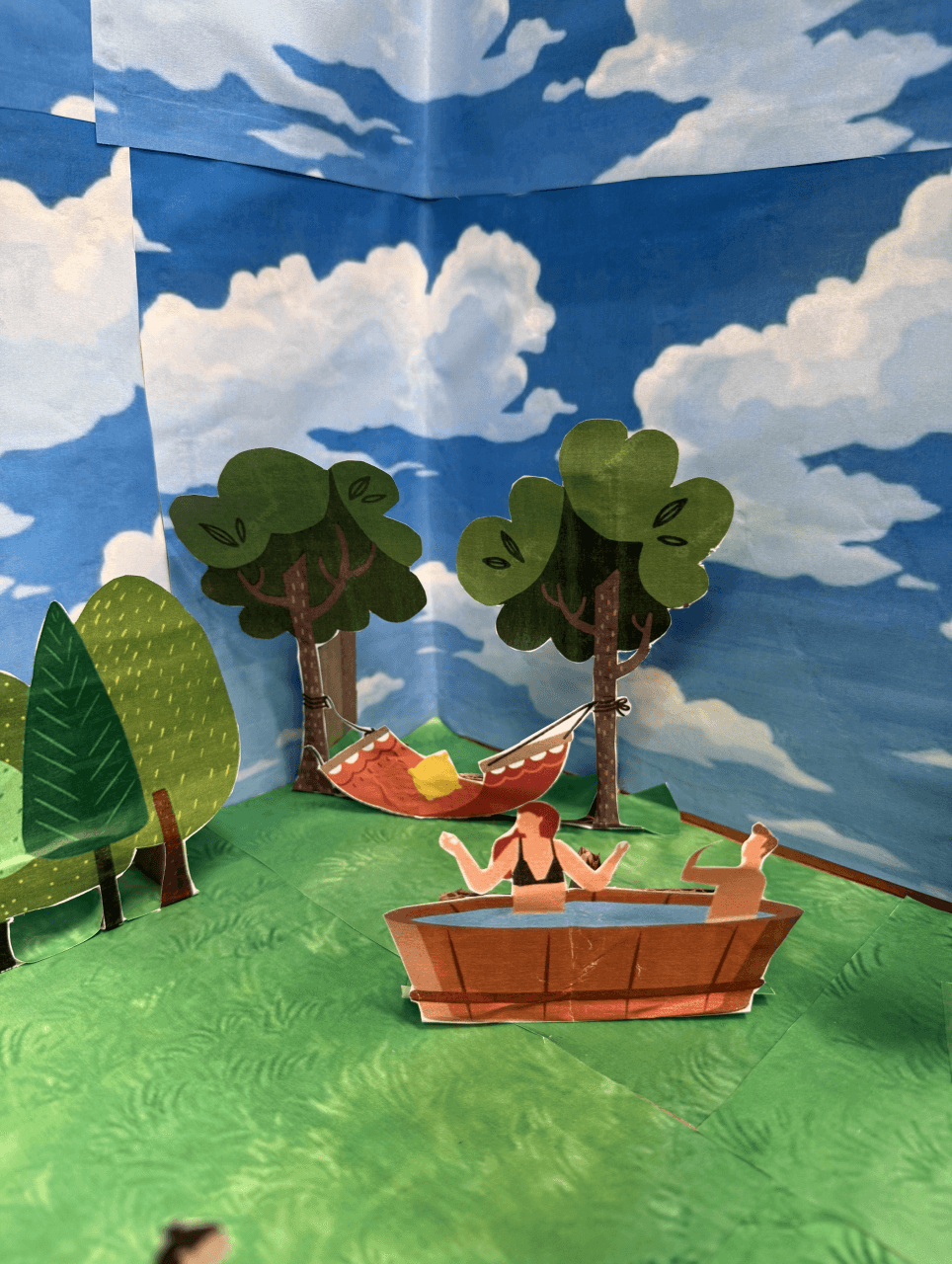
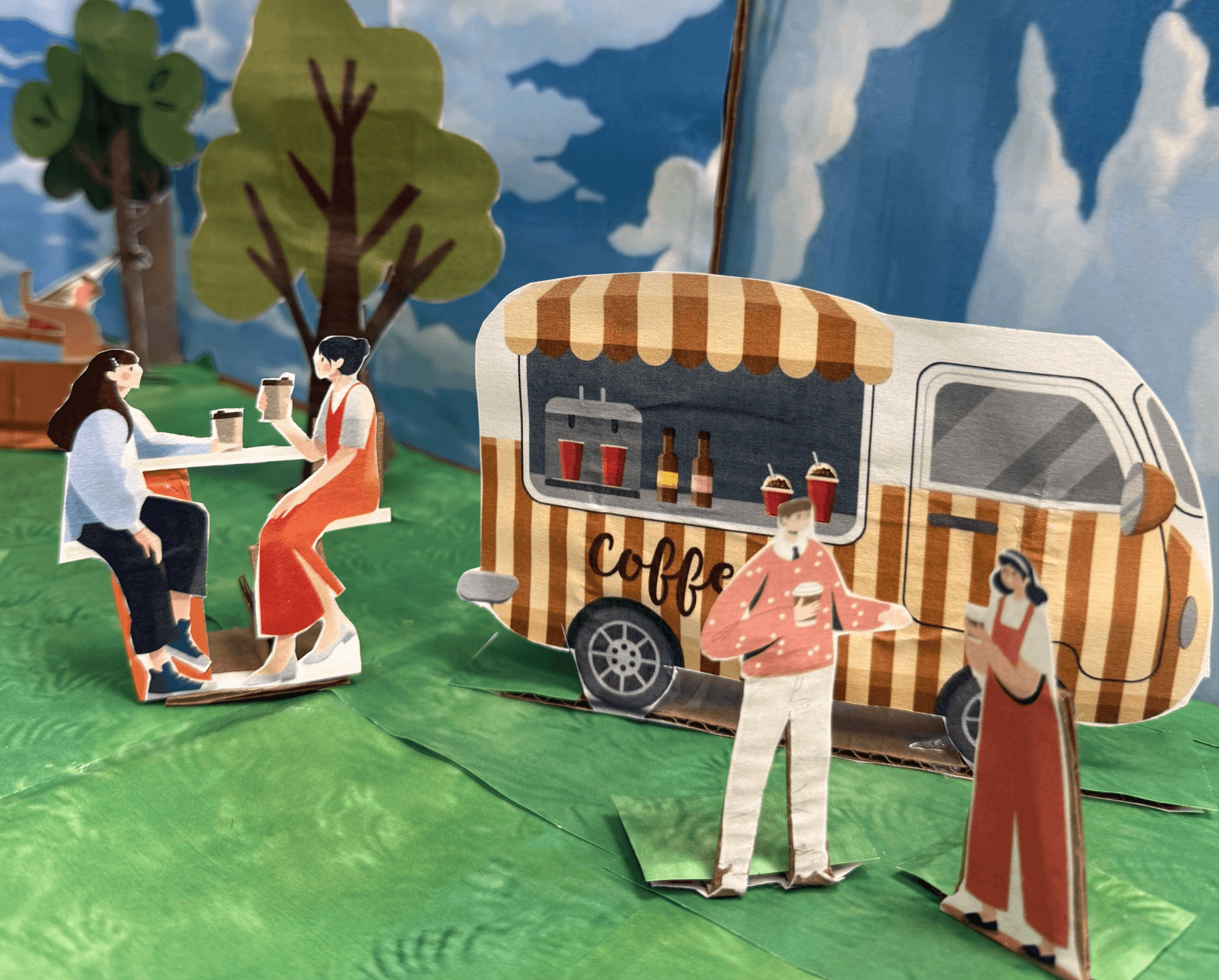
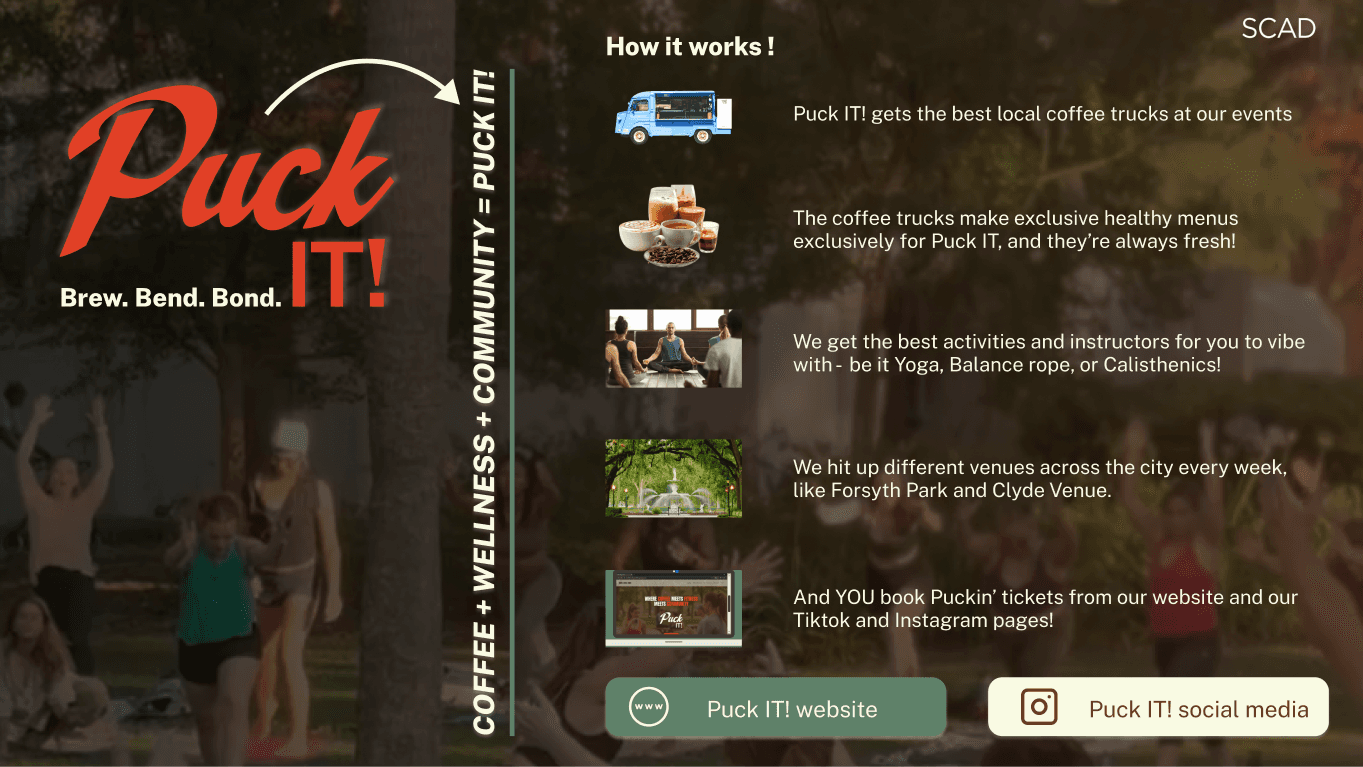
A community-first events platform bringing together local coffee trucks, wellness activities, and curated experiences at rotating venues across the city every week.
Early Prototype


Final Direction
The pivot led here. A platform where coffee, wellness, and community come together, fresh menus, rotating venues, and a social experience built for Gen Z.
key learnings
What this project shifted in me
01
02
03
This project changed how I think about design leadership. The work wasn't in the final concept, it was in every decision that shaped the path to it. Knowing when to question the brief, when to pivot, and when to commit is what design management actually looks like in practice.